Care levels and nursing clinic in São Paulo

The right care for every moment.

Needs change over time - and care needs to keep up. We offer three levels of attention, always with the same principle: respect the history and autonomy of those who live here.

Our care levels

Three ways of being close.

Each resident's plan is built together with the family and reviewed whenever something changes. Nothing is rigid.

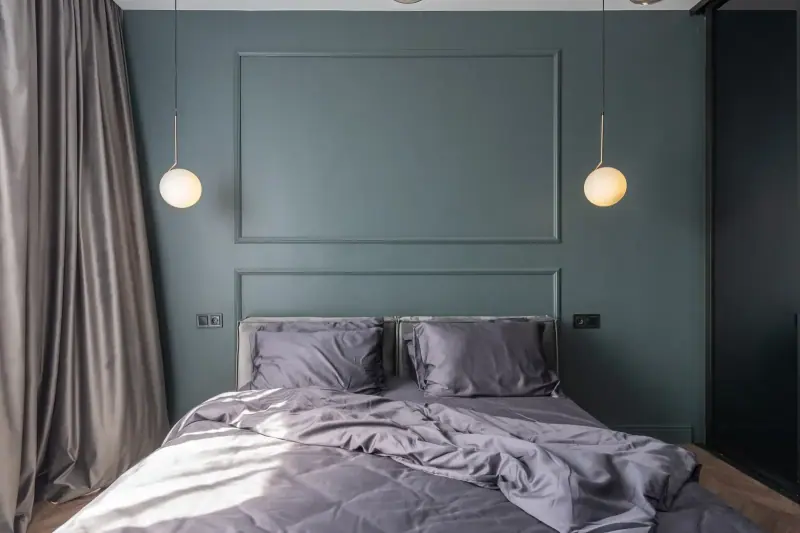
Cozy bedroom with bed, bedside lamp and light bedding
01 - Assisted living

Independence with a support network.

For those who want to keep their routine, with help nearby. We support what is needed - and step back when it is not. The room remains the person's own, with their objects, photos and way of living.

  • Support with bathing, dressing and personal hygiene
  • Administration and checking of medications
  • Meals, laundry and cleaning included
  • Daily activities and light group exercise
Talk about assisted living
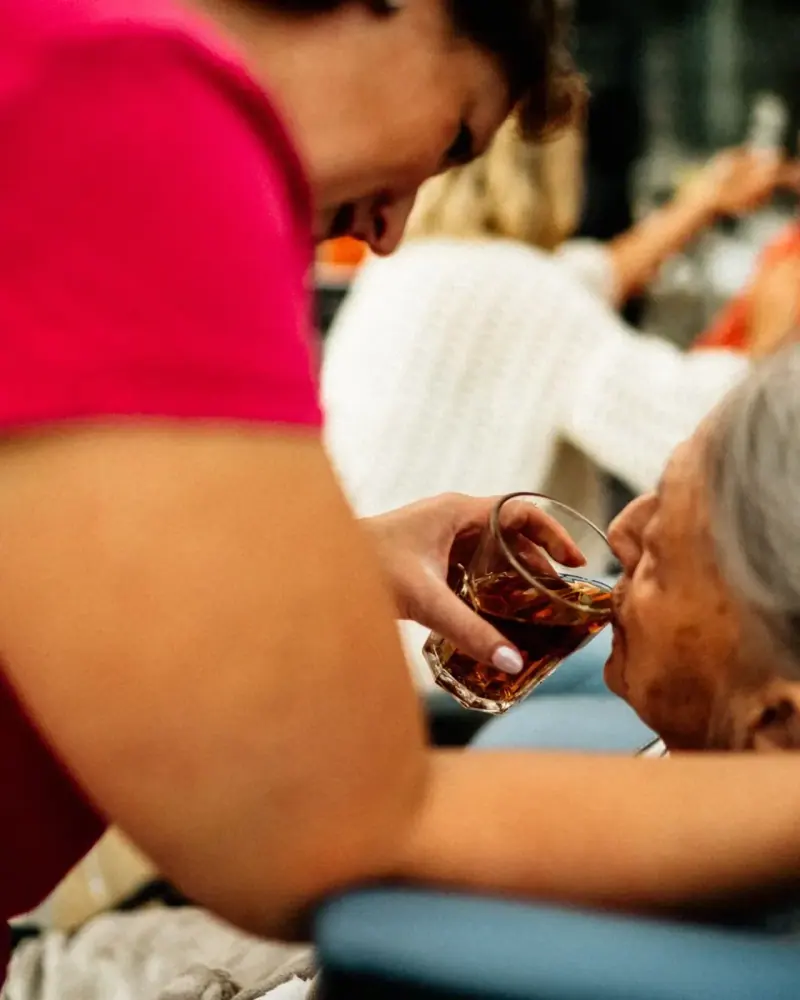
Caregiver offering a cup of tea to a resident, sitting on the sofa
02 - Memory care

A safe place to keep being who you are.

A quiet floor, with predictable routines and stimuli in the right measure. Our team is trained to welcome Alzheimer's and other dementias without rushing and without confrontation - celebrating each small achievement.

  • Protected environment with controlled access
  • Structured routine and memory workshops
  • Music therapy and sensory stimuli
  • Continuous guidance and support for the family
Talk about memory care
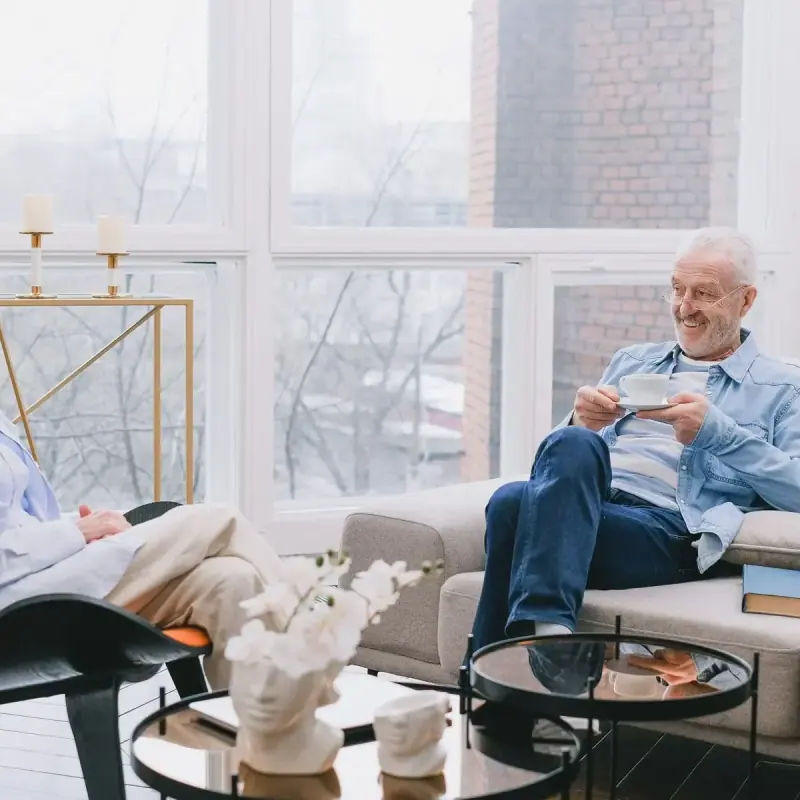
Elderly couple chatting and drinking tea on the sofa
03 - Respite and short stays

A few days of rest for those who care.

Sometimes the family needs a break - and that is okay. Respite offers the same Solar care for short periods, from a weekend to a few weeks, with no bureaucracy.

  • Stays from two nights
  • Furnished room, bedding and towels
  • Meals, activities and 24h nursing
  • Report to the family at the end of the stay
Check availability

Amenities

Details that make a difference in daily life.

No unnecessary luxury. Each space was designed to be comfortable, safe and easy to use.

Single and shared rooms

Natural light, wardrobe and space for personal belongings.

Adapted bathrooms

Grab bars, non-slip flooring and shower seat.

Living rooms

Fireplace, television, books and armchairs for unhurried conversation.

Garden and vegetable patch

Accessible paths, shade and a garden tended by residents.

Quiet space

To pray, meditate or simply be at peace.

Physiotherapy with partners

Highly qualified professionals can attend on site, with individual sessions and guidance for group activities.

Arts studio

Painting, embroidery, ceramics and memory workshops.

Wi-Fi and video calls

Connection throughout the house and support to talk with those far away.

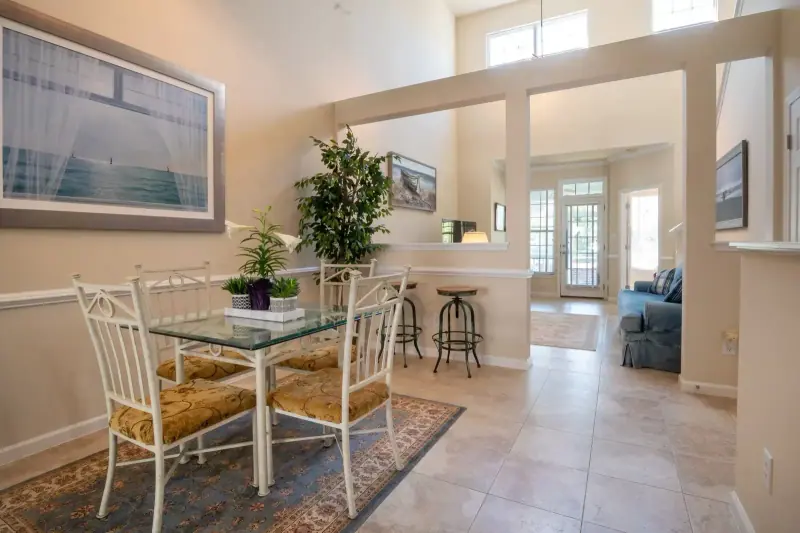
Integrated dining room with set table and natural light

At the table

Home cooking, every day.

The smell of coffee in the morning is still one of the house's favorites. Meals are prepared in our kitchen, with a menu supervised by a nutritionist, fresh ingredients and adaptations for diabetes, high blood pressure or difficulty chewing.

Nobody eats alone: the table is large, and there is always someone to talk to.

  • Breakfast7h30
  • Morning fruit10h
  • Lunch12h30
  • Afternoon snack15h30
  • Dinner18h30
  • Evening tea20h30

Our week

A schedule with room for the unexpected.

Activities are suggestions, not obligations. Whoever prefers reading in the garden matters just as much as whoever sings in the choir.

Illustrative schedule. The real agenda is posted weekly at reception and shared with families.
Day Morning - 10h Afternoon - 15h
MondayMemory workshopWalk in the garden
TuesdayMusic therapyCard games
WednesdayGarden and gardeningArts studio
ThursdayLight group exerciseReading circle
FridayBingoLive music
SaturdayCoffee with familiesMovie session
SundayCelebration (optional)Dance tea

Rates on request - no surprises.

Each plan is defined after an individual assessment, because each person needs different things. The monthly fee includes housing, meals throughout the day, 24h nursing, activities and laundry. Medications, diapers and external procedures are arranged separately, always with your approval.

Request a quote

Understanding the difference

Care home or nursing clinic? Both, at the same address.

Many families arrive without knowing the difference between the two names. A care home is a place to live with support; a nursing clinic is a place to recover with clinical follow-up. Solar covers both scopes, without requiring a change of address when health needs change.

Long-term living

Care home

A home to live in, with support for everyday life. For those who need company, safety and help with bathing, medication and meals, without losing autonomy, habits and relationships.

  • Long-term stay, with no deadline to leave
  • Support with bathing, medication and meals
  • 24-hour nursing and medical follow-up
  • Routine, relationships and autonomy preserved
Clinical care and recovery

Nursing clinic

A clinically focused setting for recovery, rehabilitation or stabilization. For those leaving surgery or hospital care who need closer nursing and monitoring.

  • Recovery after surgery or hospitalization
  • Closer nursing and monitoring
  • Physiotherapy on demand with partner professionals
  • Short or medium stay, according to the plan
Quick comparison between the two care models.
Criterion Care home Nursing clinic
Goal To live with support, company and safety. To recover, rehabilitate or stabilize health.
Length of stay Long-term, with no deadline to leave. Short or medium, according to the care plan.
Routine Domestic, with autonomy and participation in activities. Focused on care, rehabilitation and monitoring.
Team Caregivers, 24-hour nursing and medical follow-up. Closer nursing, medical follow-up and partner professionals, including physiotherapy on demand.
When it makes sense The person needs company, safety and everyday support. The person needs recovery or closer clinical monitoring.

Without changing address.

If clinical needs increase, care intensifies in the same room; when the person recovers, daily life returns to the rhythm of home. Residents keep their relationships, references and their own space, with 24-hour nursing, medical follow-up and access to physiotherapy through partner professionals who can attend on site.

Schedule a visit
What is a care home (casa de repouso)?

It is a shared home for older adults who need company, safety and support with daily activities, but not hospital-level care. Daily life is domestic: a private room, meals, activities, companionship and support from caregivers. A care home is designed for long-term living and for preserving autonomy, relationships and habits.

What is a nursing clinic (clínica de repouso)?

It is a clinically focused setting for recovery, rehabilitation or more intensive monitoring - for example, after surgery, a hospital stay or a health crisis. It usually has a stronger nursing presence, a care routine, access to physiotherapy and, often, shorter stays. The main goal is recovery or clinical stabilization, not housing alone.

What is the difference in practice?

The difference lies in the goal, the intensity of care and the length of stay. A care home prioritizes housing, companionship and everyday support; a nursing clinic prioritizes treatment, rehabilitation and clinical monitoring. In practice, many families need both at the same time: a safe place to live, with health support available every day.

Is Solar a care home or a nursing clinic?

Both. Solar offers long-term living, with the routine of a home, and clinical care when needs increase. Residents do not need to change address: care intensifies in the same room, with 24-hour nursing, medical follow-up and physiotherapy on demand from partner professionals who can attend on site.

Frequently asked questions

Everything families usually ask.

How is the initial assessment done?

We start with a visit and a conversation, with no commitment. Afterwards, the nursing coordinator and the responsible physician review health history, medications, mobility and routine. From there, we build a care plan and present the proposal to the family.

Which documents are needed for admission?

ID and tax ID of the resident and the legal guardian, proof of address, up-to-date medical prescriptions, recent exams and vaccination record. Our team guides each family on what is missing before the move.

Can the family visit at any time?

Visits take place every day from 2pm to 5pm, with no appointment needed. Outside those hours, special arrangements can be scheduled by phone. To get to know the house at ease, we recommend scheduling a guided visit.

Can residents go out with their family?

Yes, whenever the guardian authorizes it and the nursing team clears it. Outings for lunches, appointments and walks are part of life. We register the departure and arrange the return with the family.

How does Solar care for people with Alzheimer's or dementia?

With a predictable routine, a safe environment and a team trained to handle repetitions, forgetfulness and mood changes without confrontation. We work with sensory stimuli, music and simple activities, always respecting each person's pace.

What is included in the monthly fee?

Housing, meals throughout the day, 24h nursing, activities, light group exercise, laundry and room cleaning. Medications, diapers, dressing materials, external consultations and physiotherapy with partner professionals are charged separately, with prior family approval.

Is there a minimum stay period?

For residency, we ask for a 30-day adaptation period so everyone gets to know each other. For respite, the minimum stay is two nights, with no maximum - the family decides when it is time to go home.

Does Solar work with health insurance plans?

We operate privately. Some plans offer partial reimbursement for nursing and physiotherapy services with partner professionals - our team helps with the necessary documentation, but coverage must be confirmed directly with the provider.

Do you need a doctor's referral to live at Solar?

A referral is not required for a first conversation. Admission starts with a visit and an assessment by our nursing team, who can talk to the doctor already following the resident. Reports, prescriptions and recent tests help build the care plan, but they are not required to visit the house.

What can a resident bring to their room?

Comfortable, labelled clothing, personal hygiene items, current medications, glasses, hearing aids and meaningful objects such as photos and a blanket. The house provides the bed, mattress and furniture. Our team sends a full checklist before the move and explains what is not allowed for safety.

We can help

Every family is different. So is the conversation.

Tell us what you are looking for and we help find the best path - even if it is not Solar.

Talk to the team
Prefer to talk now? (11) 4000-0000 Every day, from 14h às 17h.